
Build
A fence built to a spec, not to a bid
Posts chosen for wind country, not for the bid.
#1 grade Western Red Cedar on heavy-duty steel posts, with American-made brackets and hardware. That is the only way we build, because it is the only way a cedar fence in Oklahoma stays straight for decades. Veteran-owned, BBB A+ since 2017, with staining planned in from day one.
25% down on installs — the balance due only once you’re satisfied with the finished fence.
4.9★
119+ Google reviews
BBB A+
Accredited since 2017
21+ years
Veteran-owned service
Steel posts
American-made brackets
Three ways to fence your property
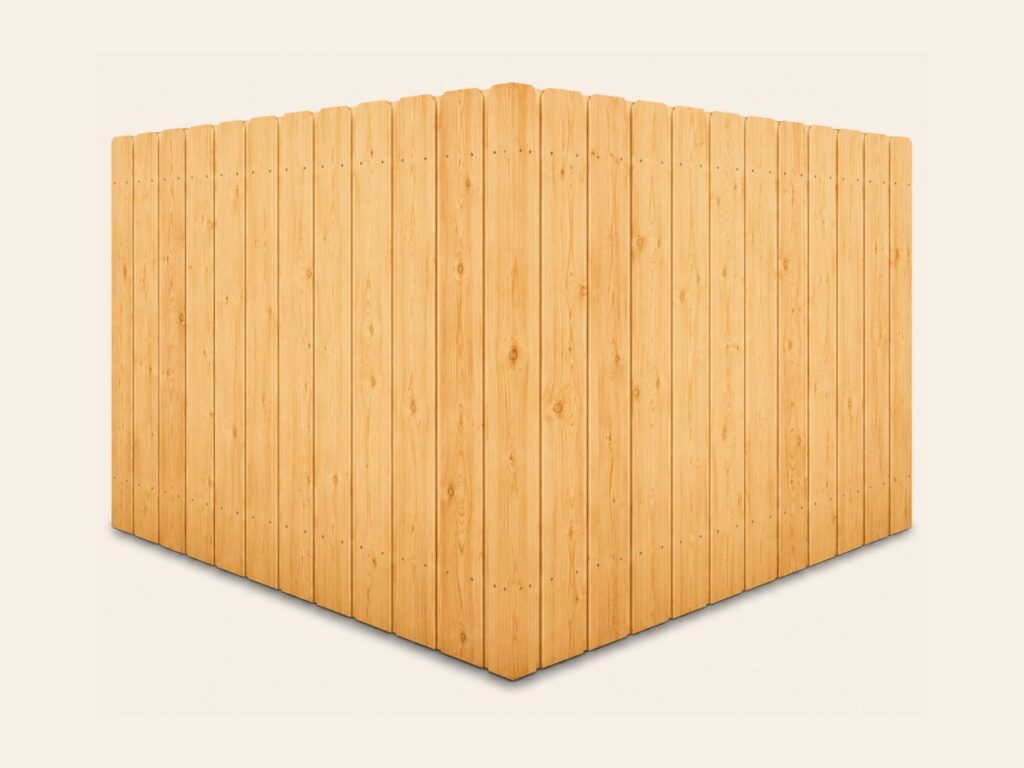
Cedar Privacy Fence
Premium #1-grade Western Red Cedar on heavy-duty steel posts — dog-ear, board-on-board, shadow-box or cap-and-trim. Staining planned in from day one.
Best for: Backyard privacy, pool surrounds, HOA-compliant perimeters.
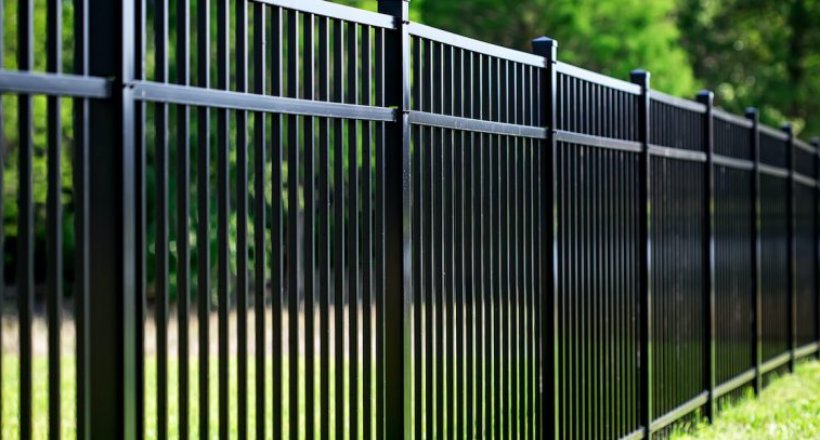
Iron Fence
Ornamental iron panels and gates — a durable, low-maintenance perimeter with an upscale, architectural look that never needs staining.
Best for: Front yards, pool code compliance, estate and HOA entries.
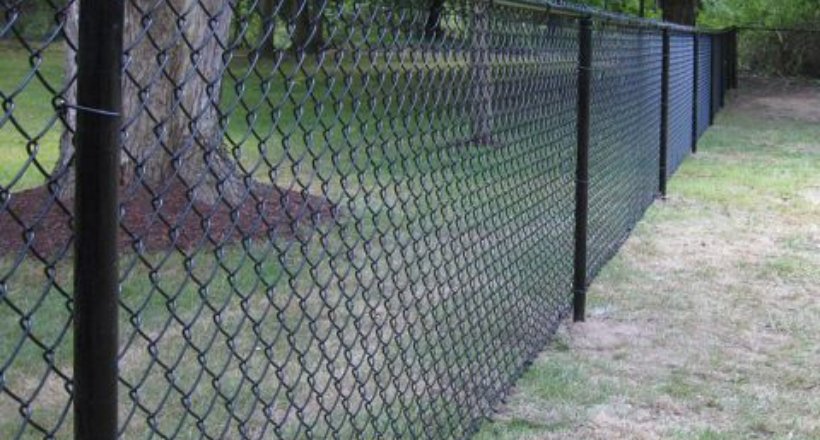
Chain-Link Fence
Galvanized or vinyl-coated chain-link, built to a budget without cutting corners on posts or hardware. Fast to install, built to last.
Best for: Dog runs, side yards, utility and commercial perimeters.
Our build specification
The parts you never see decide how long it stands
A finished fence looks much the same on day one whatever it is made of. The difference shows up in year six, and by then it is decided by three components most homeowners never get told about. We publish ours.
THE WOOD
#1 grade Western Red Cedar
Not #2, not whitewood, and never pine sold under a cedar name. #1 grade means tighter grain, sound knots and straighter boards off the truck.
Tighter grain holds stain longer and moves less, so the fence stays flat instead of cupping.
THE POSTS
Heavy-duty steel posts
Fences almost never fail at the pickets. They fail at the post — a wood post rotting at the ground line, or a thin-wall steel post that flexes in a straight-line gust and stays leaning afterwards. We set a heavier wall, plumb, in poured concrete footings.
Steel does not rot, twist or lean, and a heavier wall comes back straight instead of taking a set. Take the post out of the equation and you remove the reason most Oklahoma fences get replaced.
THE HARDWARE
American-made brackets and fasteners
Every bracket, screw and cap on a Patriot fence is made in America. Hardware is the cheapest place to cut a corner and the first place a cut corner shows.
Coated American fasteners hold their grip and do not bleed rust streaks down new cedar.
What we build
✓
#1 grade Western Red Cedar, hand-selected on delivery
✓
Heavier-wall steel posts set plumb in poured concrete footings
✓
American-made brackets, fasteners and post caps
✓
Rails and pickets fastened, not stapled
✓
Expert Stain and Seal® penetrating oil planned in from day one
What builder grade usually means
—
#2 or whitewood, sometimes pine described as cedar
—
Wood posts, or the thinnest steel wall that will pass a bid
—
Imported hardware chosen on landed cost
—
Staples for speed
—
Bare wood left to gray, stain quoted later as an upsell
A less expensive fence is always available. It is usually the same fence twice.
Oklahoma wind
Why fences blow over here, and where ours doesn't
Straight-line winds and thunderstorm downbursts are the reason most Oklahoma fence lines get rebuilt, and they almost never break a picket. A privacy fence is a solid sail: every foot of it collects wind load and hands that load down to the post and the footing. Whatever the fence is made of, that is where it either holds or goes over.
So the post is where we spend the money. It is also the one component a homeowner never sees on the day the fence is finished, which is exactly why it is the first thing cut to win a bid.
The post wall
Heavier wall, not thin-wall
Builder grade sets fences on the thinnest steel post that will pass a bid. Thin wall flexes in a gust, and once it takes a set it stays leaning — the fence never comes back straight. We spec a heavier wall so the post returns to plumb after the storm passes.
The footing
Set plumb in poured concrete
Every post is set plumb in a poured concrete footing, not backfilled with dirt and gravel to save a bag of mix. The footing is what moves wind load off the fence and into the ground. On a replacement, the old concrete comes out — we never pour a new post beside a failed one.
The connections
American-made brackets and fasteners
Wind does not only push, it works joints loose over years of gusts, expansion and contraction. Coated American brackets and screws keep their grip, so rails stay tight to the post instead of rattling free and letting a section rack.
Posts chosen for wind country, not for the bid.
How a Patriot fence gets built
01
Site walkthrough
We measure the property line, discuss style and check for utility lines and HOA requirements.
02
Written proposal
Materials, layout, gate placement and a fixed price — approved before we schedule anything.
03
Install
Heavy-duty steel posts set first in poured concrete footings, then panels, pickets or mesh — square, level, and built to hold in wind.
04
Stain & walkthrough
For cedar, we moisture-test and stain as soon as the wood is ready. We walk every fence with you before calling it done.
Fence installation questions, answered
Will a new fence survive an Oklahoma windstorm?
Fences fail at the post, not the pickets, so that is where we build for wind. Every Patriot fence stands on heavy-duty steel posts with a heavier wall than builder-grade thin-wall posts, set plumb in poured concrete footings and joined with American-made brackets and fasteners. Thin wall flexes in a straight-line gust and stays leaning once it takes a set; a heavier wall comes back straight. No fence is storm-proof, but the posts are the part we make certain is not the weak point.
How much does fence installation cost in Oklahoma City?
Cost varies by material, height and linear footage — cedar privacy, iron and chain-link all price differently. Send two photos of your property line and we’ll geo-map it for a written quote, often in hours.
How long does a fence installation take?
Most residential cedar or chain-link projects take 1 to 3 days once materials arrive; iron fencing with custom gates can run longer. We give you a firm timeline in the proposal.
Do you handle permits and HOA approval?
We tell you what your city and HOA require and provide the documentation you need to submit — the approval itself is between you and your HOA or municipality.
When should a new cedar fence be stained after installation?
As soon as the wood is ready. Most cedar is kiln-dried, so we check every fence with a moisture meter and stain at anything below 18% rather than leave new boards bare through an Oklahoma summer. We schedule the staining when we build the fence.
Which fence type is right for my yard — cedar, iron or chain-link?
Cedar gives full privacy and the most curb appeal. Iron suits front yards and pool code with a durable, no-maintenance finish. Chain-link is the most economical for dog runs, side yards and utility fencing. We’ll help you compare on-site.
Plan your new fence
Build it once, build it right
Cedar, iron or chain-link — heavy-duty steel posts, made-in-USA brackets, and a veteran-owned company that’s BBB A+ since 2017 with 4.9★ across 119+ Google reviews.