
Build
When it's time to replace, build it properly
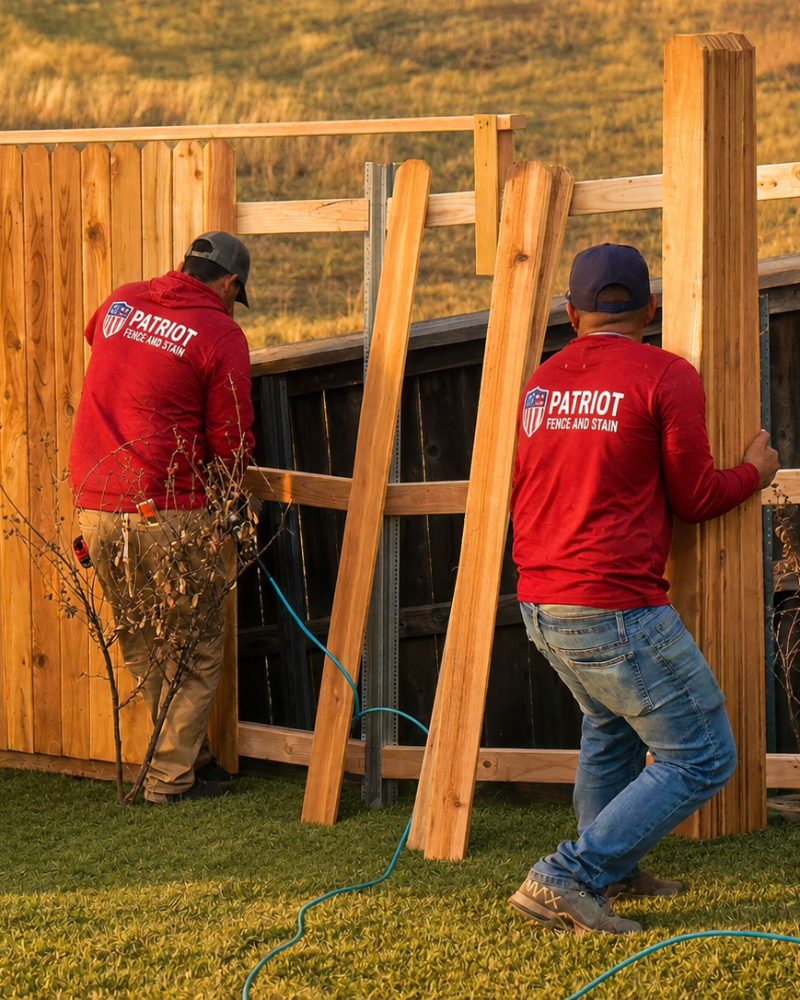
Some fences are past saving. Posts rotted at the ground line, rails pulling loose, sections leaning out of square. We tear out the old fence, set new posts in concrete, and build in Western Red Cedar — then stain it so the new one lasts longer than the one it replaced.
All installations require a 25% deposit to schedule. Balance due on completion.
First, the honest question
Does your fence actually need replacing?
Most of the fences people ask us to replace do not need it. Gray is a finish problem, and a gray fence with sound posts is a cleaning-and-staining job at a fraction of the cost. Structure is the thing that decides it.
Replace it when
—
Posts move when you push the fence, or have rotted at the ground line
—
Rails are pulling away from posts across multiple sections
—
Rot you can push a screwdriver into, not just surface gray
—
The fence leans enough that panels no longer sit square
Restore it when
—
The fence has gone gray but the posts are solid
—
A few boards are cupped or split, but the structure is sound
—
A previous coating is peeling but the wood underneath is sound
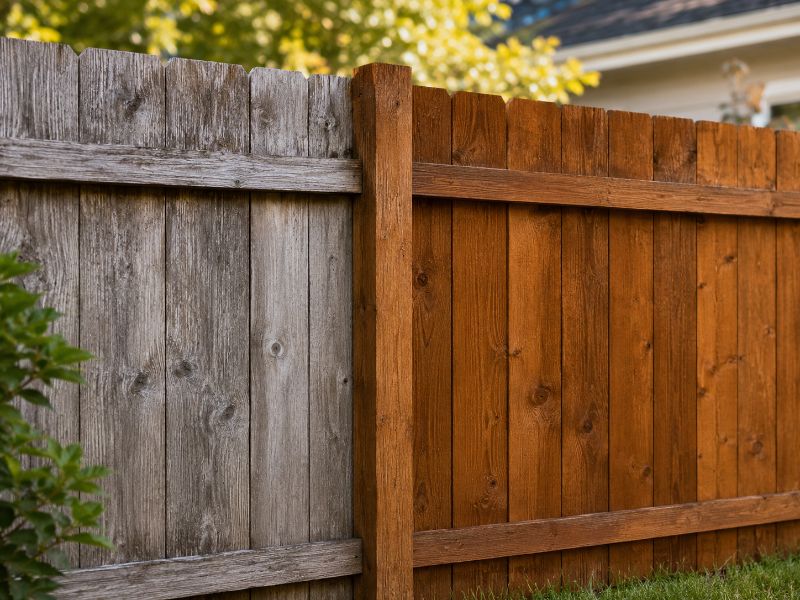
Rot at the ground line is structural. This one was past saving.
The process
Out with the old, and built to outlast it
01
Measure and quote
We geo-map the fence line by satellite from your address and photos, so the footage is right before anyone comes out.
02
Tear-out and haul-off
The old fence comes out and leaves with us, hauled off the same day.
03
New posts, set in concrete
Posts are the part that fails first, so they are the part we do not compromise on. Set plumb, in concrete, to depth.
04
Build and stain
Western Red Cedar, built square, then stained with penetrating oil while the wood is new and at its most absorbent.
Why stain a brand-new fence
A new fence is the cheapest one you will ever protect
New cedar is at its most absorbent and has no weathering to clean off, so staining it costs less and protects more than waiting three years and restoring it. Cedar loses its protection long before it starts to look bad — the gray you see later started the week the fence went up.
Our cedar is mostly kiln-dried, so there is no mandatory wait. We test every fence with a moisture meter: below 18% we stain, and above it we monitor the weather and stain when the wood is ready. We don’t rush to failure — we make sure it’s done right.
Our build specification
The parts you never see decide how long it stands
Every fence looks much the same on day one. The difference shows up in year six, and it is decided by three components most homeowners never get told about. We publish ours.
The wood
#1 grade Western Red Cedar
Not #2, not whitewood, and never pine sold under a cedar name. Tighter grain, sound knots, straighter boards — so the fence holds stain longer and stays flat instead of cupping.
The posts
Heavy-duty steel posts
Fences rarely fail at the pickets. They fail at the post — wood rotting at the ground line, or thin-wall steel that flexes in a straight-line gust and stays leaning. We set a heavier wall, plumb, in poured concrete footings.
The hardware
American-made brackets and fasteners
Every bracket, screw and post cap is made in America. Coated American fasteners hold their grip and do not bleed rust streaks down new cedar.
A less expensive fence is always available. It is usually the same fence twice.
What we build
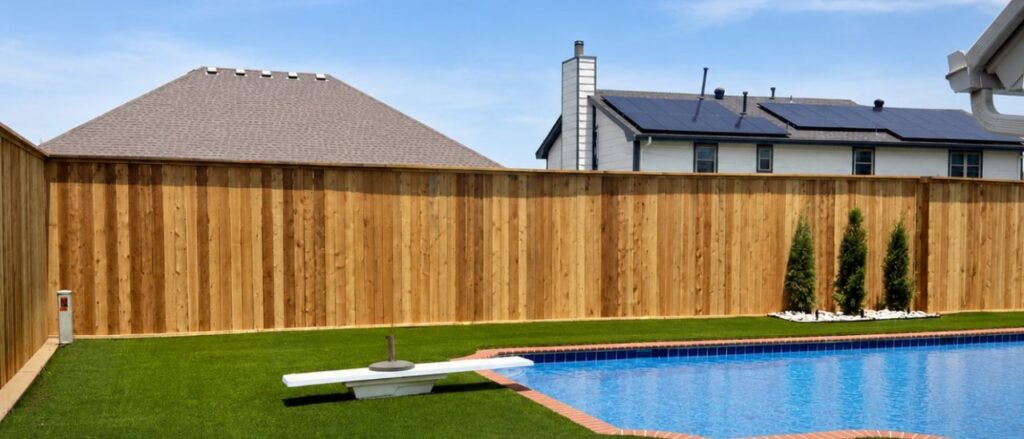
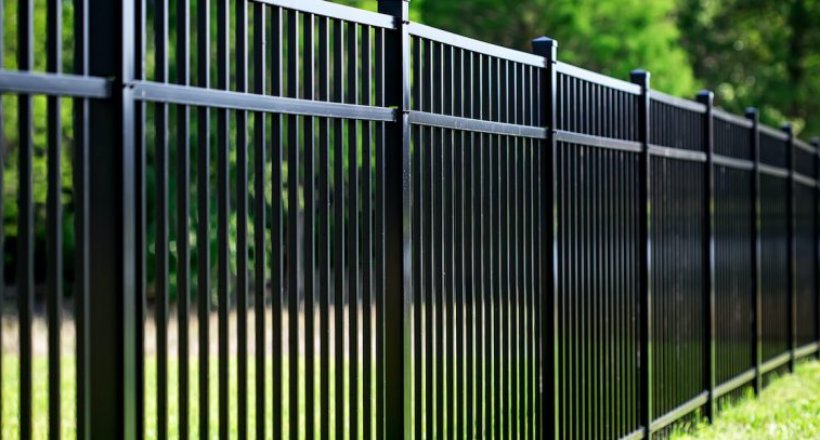
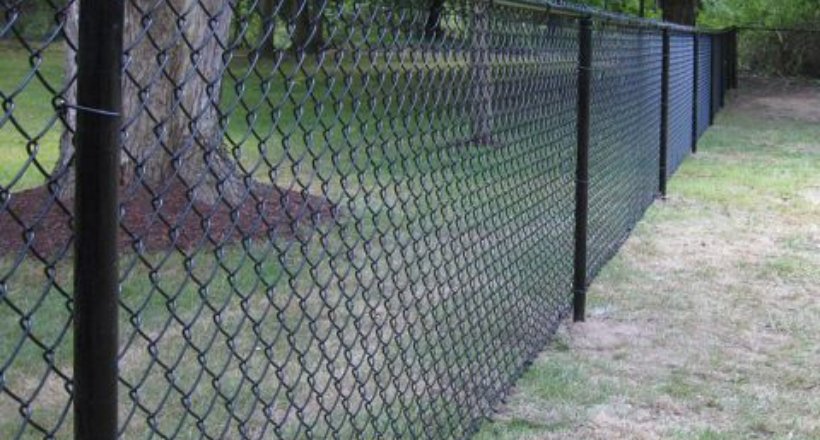
Cedar privacy fencing in dog-ear, board-on-board, shadow-box and cap-and-trim, plus ornamental iron and vinyl-coated chain-link where the job calls for it.
Common questions
Will a new fence hold up in an Oklahoma windstorm?
Fences fail at the post, not the pickets, so that is where we build for wind. Replacements go back in on heavy-duty steel posts with a heavier wall than builder-grade thin-wall posts, set plumb in poured concrete footings after the old concrete comes out, and joined with American-made brackets and fasteners. Thin wall flexes in a gust and stays leaning once it takes a set; a heavier wall comes back straight.
Do you haul away the old fence?
Yes. Tear-out and haul-off are part of the job, including digging out the old post concrete rather than building around it.
Can you replace just the failing sections?
Sometimes, and we will tell you when that is the sensible answer. Be aware that new cedar next to fifteen-year-old cedar will not match until the whole run is stained, which is usually the reason to stain the full fence at the same time.
What wood do you build with?
Western Red Cedar. It holds up to Oklahoma weather better than pine and takes penetrating oil stain properly — and we do not pass pine off as cedar.
Should I stain the new fence right away?
Yes, and it is cheaper to do it then than later. Our cedar is mostly kiln-dried so there is no mandatory wait; we test with a moisture meter and stain below 18%.
What is the deposit on a replacement?
All installations, including replacements, require 25% down to schedule. Balance is due on completion.
Let's look at what you've got
Send two photos and we’ll geo-map the fence line by satellite for the footage. We’ll tell you honestly whether you are looking at a replacement or a restoration before we quote either one.